Tesla lists Jacksonville as 'coming soon' for robotaxi service, with no launch date
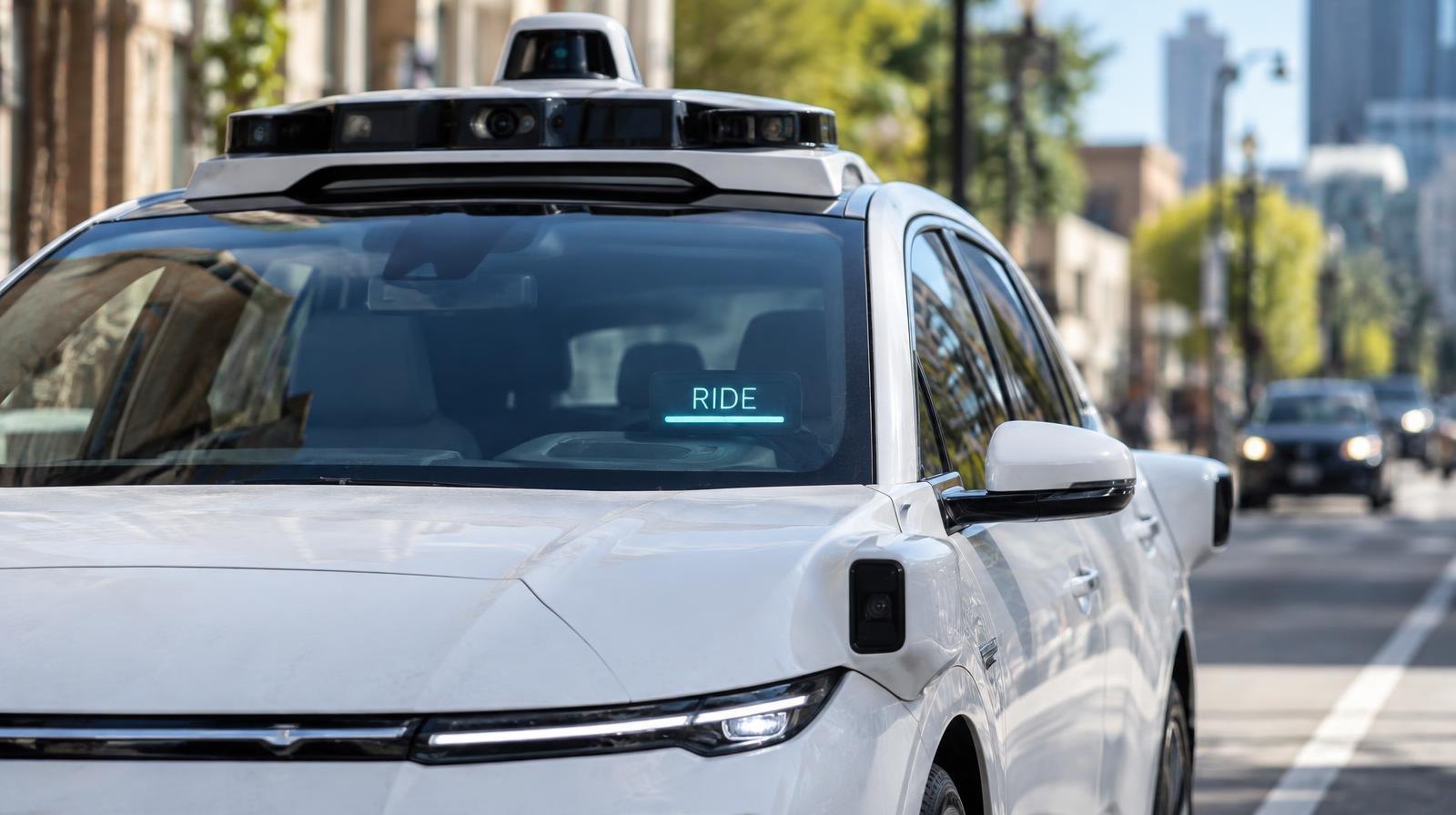
Tesla added Jacksonville to its robotaxi expansion map Wednesday, Oct. 21, labeling the city "coming soon" but announcing no launch date for its driverless ride-hailing service.
The designation, reported by Action News Jax, would make Jacksonville Tesla's fourth Florida robotaxi market, joining Miami, Orlando and Tampa.
Jacksonville, Las Vegas, Phoenix and San Antonio were identified as upcoming markets in Tesla's first robotaxi safety report, released ahead of the company's third-quarter earnings call, according to TeslaNorth.com.
Tesla has not announced a launch date, fleet size or service area for Jacksonville. The company also has not said whether rides would initially include onboard safety monitors or operate without them.
What Florida law allows
Under Florida Statute 316.85, fully autonomous vehicles can operate on public roads without a licensed human driver. The law treats the automated driving system as the vehicle's operator when engaged.
The statute also generally prohibits local governments from imposing additional taxes, fees or operating requirements specifically on autonomous vehicles and their operators. However, airports and seaports may charge certain fees and designate pickup, staging and similar areas.
Autonomous ride-hailing services must still comply with applicable state requirements, including insurance provisions.
Residents express mixed reactions
Jacksonville residents interviewed by Action News Jax expressed differing opinions about the technology.
Jeawon Lee said he would feel comfortable riding in a robotaxi.
"It's amazing, I just trust it," Lee told the station.
Another resident, identified as Kinsey, questioned whether driverless taxis were necessary and expressed concern that they could eliminate jobs for human drivers.
Tayea, another resident, raised questions about reliability, saying electronic systems could malfunction.
Federal regulators examine safety
Tesla's expansion plans come as the National Highway Traffic Safety Administration (NHTSA) examines the company's autonomous vehicle technology.
The agency opened an audit into how Tesla certified its Cybercab, a two-seat autonomous vehicle without a conventional steering wheel or pedals, as meeting federal motor vehicle safety standards.
NHTSA is separately evaluating a petition alleging Tesla robotaxis exceeded speed limits in active school zones.
The agency opened defect petition file DP26010 on Oct. 9 after receiving the complaint Sept. 23, according to Electrek.
The petition references three social media videos and four incidents in NHTSA's records. No crashes, injuries or deaths were reported in connection with those allegations.
NHTSA estimates that approximately 1,000 vehicles could be affected. The petition review does not itself constitute a formal defect investigation.
Tesla reports 3.1 million driverless miles
In its first robotaxi safety report, Tesla said its fleet traveled approximately 3.1 million miles without onboard safety monitors between Jan. 22 and Oct. 18.
The company reported zero injuries, zero airbag deployments and no pedestrians or cyclists struck during those miles.
Those figures are self-reported and have not been independently verified. The methodology includes trips involving remote assistance but excludes miles driven with onboard safety monitors.
Tesla also excluded two reported events from its injury total. In one, another vehicle pushed an SUV into a stopped robotaxi, and an occupant of the other vehicle was hospitalized. In the second, a passenger reported an injury after a robotaxi drove over a pothole. Tesla said its investigation did not substantiate the latter claim, according to TeslaNorth.com.
Jacksonville launch details remain unclear
Action News Jax reported in September that Tesla was coordinating with the Jacksonville Sheriff's Office, although details of that coordination have not been disclosed.
It remains unclear when Jacksonville residents could begin booking rides, what areas the service would cover or whether Tesla would initially use vehicles with onboard safety monitors.
Meanwhile, Tesla faces a Friday, Oct. 30, deadline to provide federal regulators with answers about its Cybercab safety certification.