A federal lawsuit filed Wednesday, Aug. 19, alleges that a Jacksonville port terminal illegally discharged coal ash containing mercury, lead and arsenic into the St. Johns River, the waterway that forms Mandarin's eastern boundary.
Riverkeeper Sues Under Federal Environmental Laws
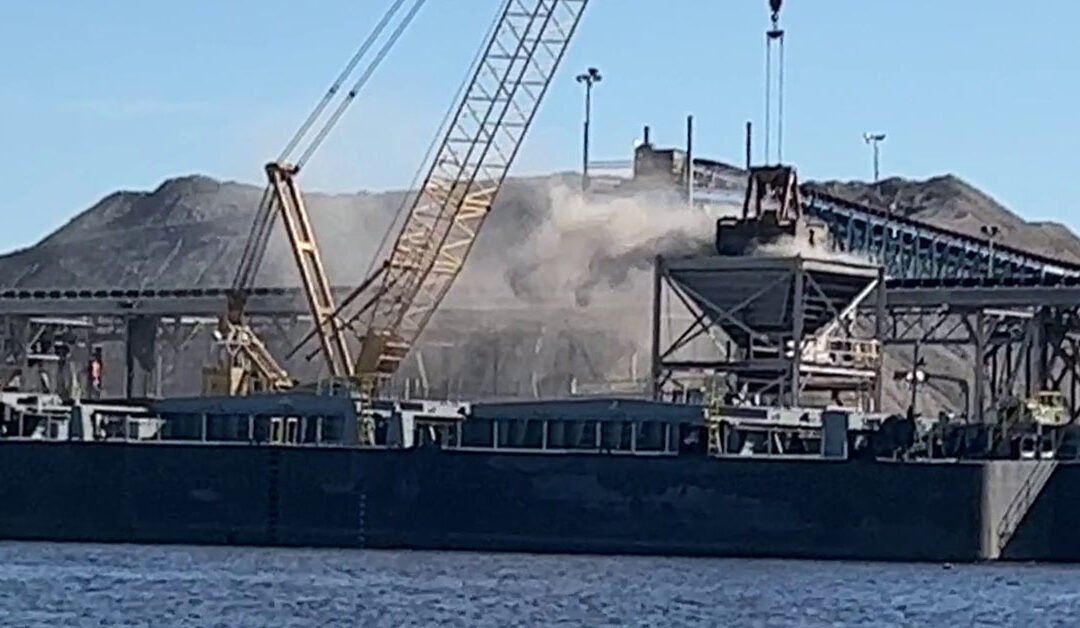
St. Johns Riverkeeper filed the suit against Keystone Terminal under the Clean Water Act and the Resource Conservation and Recovery Act, according to the organization. The complaint alleges the facility at 1915 Wigmore St. has discharged coal ash into the river, improperly managed ash during transport and storage, and contaminated groundwater.
Since 2022, Keystone has handled more than 2 billion pounds of coal combustion ash at its Jacksonville site, roughly 18 miles upriver from the mouth of the St. Johns. The lawsuit alleges substantial amounts were stored in unauthorized, unlined areas without adequate safeguards to protect groundwater or the river. It also claims the terminal failed to use proper dust-suppression measures, allowing coal ash dust to drift into neighboring communities.
The alleged contaminants include mercury, cadmium, lead, selenium and arsenic.
Conservation Group Vows to "Hold Them Accountable"
"Keystone has had ample time to correct these problems and has failed to take the necessary corrective action," John November, executive director and general counsel of the Public Trust for Conservation, said in a statement. "We are moving forward with this lawsuit to hold them accountable, bring these ongoing violations to an end, and stop pollution that is jeopardizing the health of the St. Johns River and putting neighboring communities at risk."
Riverkeeper and Legal Group Say Companies Must Answer for Pollution
The Public Trust for Conservation, a Jacksonville Beach-based environmental law organization, filed the suit on behalf of St. Johns Riverkeeper. Lisa Rinaman, the St. Johns Riverkeeper, said in a statement that private companies must take responsibility when their operations put the river and nearby residents at risk from toxic materials.
The Riverkeeper notified Keystone more than three months before filing that it would go to court if the violations were not addressed. Keystone Terminal has not publicly responded to the lawsuit.
Ash Travels From Puerto Rico Plant to Georgia Landfill
The coal ash originates from an AES-owned coal plant in Puerto Rico, which ships it by barge up the St. Johns to Keystone's facility for temporary storage before it is trucked to a landfill in Folkston, Georgia. Puerto Rico banned coal-ash disposal in its landfills in 2017. The terminal can handle up to 3 million short tons of coal per year.
Barge Route Has a History of Spills
The route has caused problems before. In March 2021, a barge carrying coal ash from Puerto Rico crashed into jetties near the mouth of the river, spilling up to 9,000 tons into surrounding waters.
No court date for the new case has been announced. Residents who want to report water quality concerns along the St. Johns can contact the St. Johns Riverkeeper at stjohnsriverkeeper.org.
.jpg)