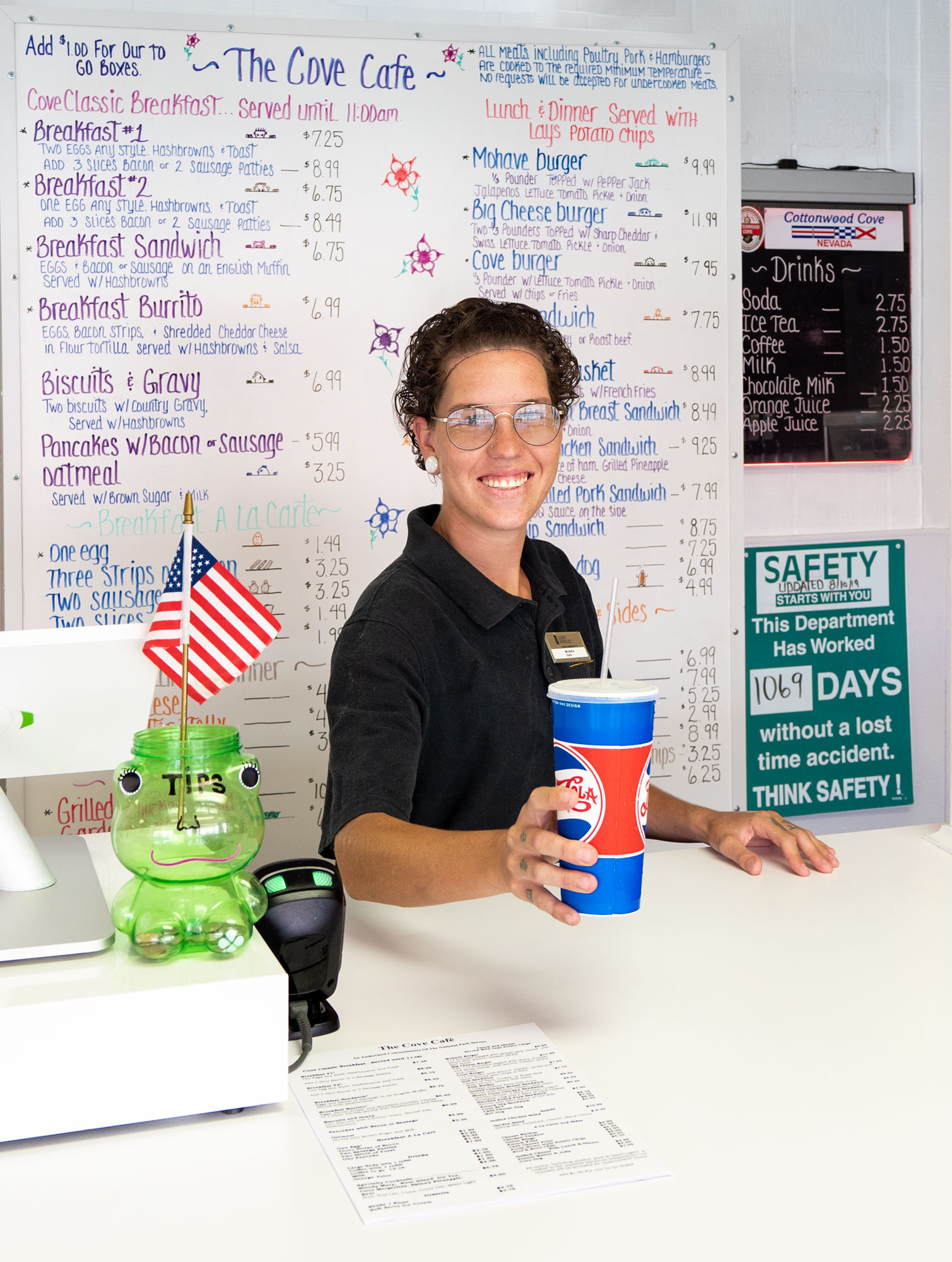
Every restaurant, retailer and small employer in Mandarin will owe workers at least $15 an hour starting Sept. 30.
Six-year wage schedule reaches its final step
The increase, from the current $14 rate, is the final step in a six-year schedule Florida voters locked into the state constitution in November 2020. Amendment 2 passed with about 6.4 million yes votes, roughly 61% approval, according to Ballotpedia. The wage climbed $1 each Sept. 30 beginning in 2021, when it rose to $10.
Tipped workers see smaller cash-wage increase
For tipped workers at restaurants along San Jose Boulevard and across Mandarin Landing, the cash wage rises from $10.98 to $11.98 per hour. Employers may still apply a $3.02-per-hour tip credit, a figure that has not changed since 2003, according to employment law firm Lowndes. Businesses must provide tipped employees with an updated tip credit notice on or before Sept. 30.
Florida wage now more than double federal rate
Florida's new rate is more than double the federal minimum wage of $7.25, which has not moved since 2009. No Florida city or county can set its own minimum wage. State law bars local governments from requiring employers to pay above the state or federal floor.
Rising rents outpace wage gains, advocate says
The increase lands as housing costs remain a pressure point for Jacksonville-area workers. A Realtor.com analysis projected that two minimum-wage earners in Jacksonville would need to work 39 hours per week each to afford the city's typical $1,457-per-month rental, six fewer hours than under the $14 rate.
Housing costs, though, continue to squeeze workers. David Jaffee, a University of North Florida sociology professor and founder of the Jax Tenants Union, told Realtor.com in late 2025 that the wage bump would not keep pace with years of rising rents. "Add on the rising cost of the other basic necessities and workers will still be falling behind," Jaffee said.
Economist and industry group raised concerns
UCF economist Sean Snaith warned after the $14 increase took effect on Sept. 30, 2025, that setting the minimum wage above the market rate could create a labor surplus and potentially push unemployment higher, as WKMG News 6 reported.
The Florida Restaurant and Lodging Association, which led opposition to Amendment 2 in 2020, warned at the time that the increase would force business owners to cut staff, reduce hours or turn to automation.
How the ballot measure came together
Morgan & Morgan founder John Morgan chaired the political committee Florida For A Fair Wage that pushed Amendment 2 onto the ballot. Florida became the first Southern state to reach a $15 minimum wage by ballot measure.
What happens after Sept. 30
After Sept. 30, the fixed annual increases end. The next adjustment will be tied to inflation using the Consumer Price Index, calculated on Sept. 30, 2027, and taking effect Jan. 1, 2028. Employers statewide must also display an updated minimum wage poster in a visible location once the new rate takes effect.
.jpg)