Duval County health officials confirmed a second locally acquired West Nile virus case on Sept. 15, prompting expanded mosquito control efforts across the county, including the Mandarin area.
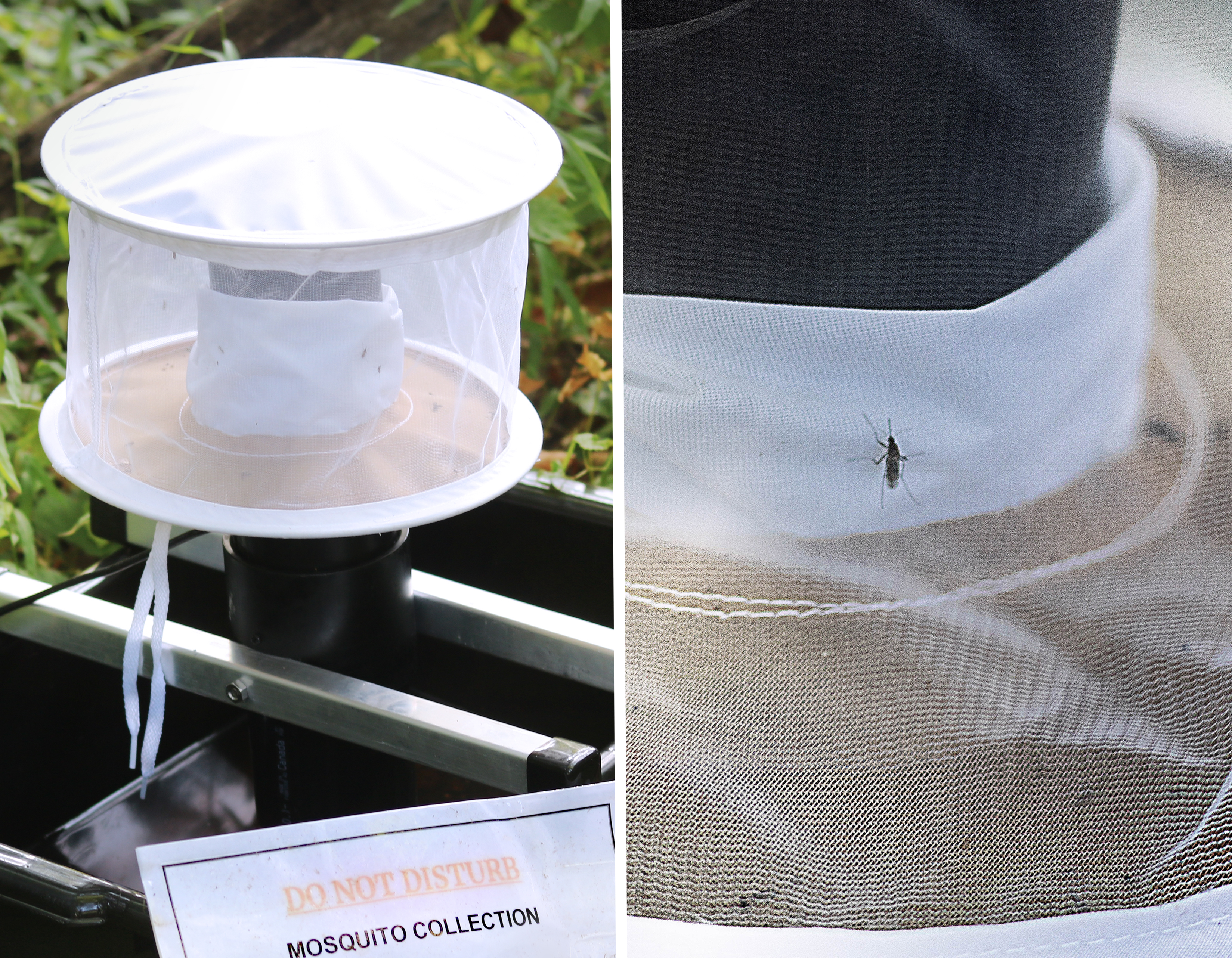
The Florida Department of Health in Duval County announced the new case and said it is coordinating ground spraying and surveillance with Jacksonville Mosquito Control. The first confirmed case was reported Aug. 31. The Sept. 15 designation uses the term "alert," an escalation from the "advisory" issued with the first case.
No patient details, including age, neighborhood or severity, were disclosed for either case.
National Cases Reach a 20-Year High
The two Duval County cases come during a sharp national spike. The Centers for Disease Control and Prevention had confirmed 504 West Nile cases across 41 states as of Sept. 8. Separately, the CDC said in a July notice that national numbers represented a more than 20-year high for that time of year, USA Today reported.
Dr. Jorge Parada, medical adviser for the National Pest Management Association, told USA Today that "West Nile virus is more prominent this year. National surveillance data from the CDC shows that the season got off to a historically early and active start."
What Symptoms to Watch For
West Nile is not contagious between people. It spreads only through the bite of an infected mosquito, according to DOH-Duval. Symptoms can appear 2 to 14 days after a bite.
Most infected people show no symptoms.
About 20% develop flu-like illness including fever, headache, body aches, nausea and rash. Less common symptoms include neck stiffness, altered mental status and disorientation. Less than 1% develop severe illness affecting the central nervous system, which can require hospitalization or cause death. Severe cases may involve high fever, tremors, vision loss, paralysis or coma.
Steps Residents Can Take Now
DOH-Duval recommends these steps to reduce mosquito exposure:
- Drain standing water from garbage cans, buckets, pool covers, flowerpots, toys and other containers.
- Empty and clean birdbaths and pet water bowls at least once a week.
- Wear long pants, long sleeves, shoes and socks outdoors.
- Use repellents containing DEET (10-30%), picaridin, oil of lemon eucalyptus or IR3535.
- Cover infants younger than 2 months with mosquito netting instead of repellent.
Residents who spot dead birds should report them to the Florida Fish and Wildlife Conservation Commission. Dead birds can signal West Nile activity in an area.
Who to Call With Questions
The DOH-Duval alert did not specify which neighborhoods are scheduled for ground spraying. Residents can request a mosquito inspection or spraying of their property by calling Jacksonville Mosquito Control at 904-630-CITY (2489). Anyone experiencing symptoms should call DOH-Duval at 904-253-1850.
.jpg)